Day Seventeen 20 05 25

Tuesday, 12.30 PM. The weather has been unusually hot and dry for several consecutive days, a pattern that raises concerns about climate variability and its effects on local ecosystems. The sky is a brilliant blue, punctuated only by a few wispy clouds hovering over the hills, creating a stark contrast against the intense sunlight.
The environment feels particularly quiet today; there are no skylarks singing, which adds to the serene yet eerie atmosphere. I wonder if these birds have changed their behaviour due to the weather?
There is minimal traffic — only one car has passed by so far, with another visible in the distance. In the background, there’s a faint sound of an airplane flying high above.
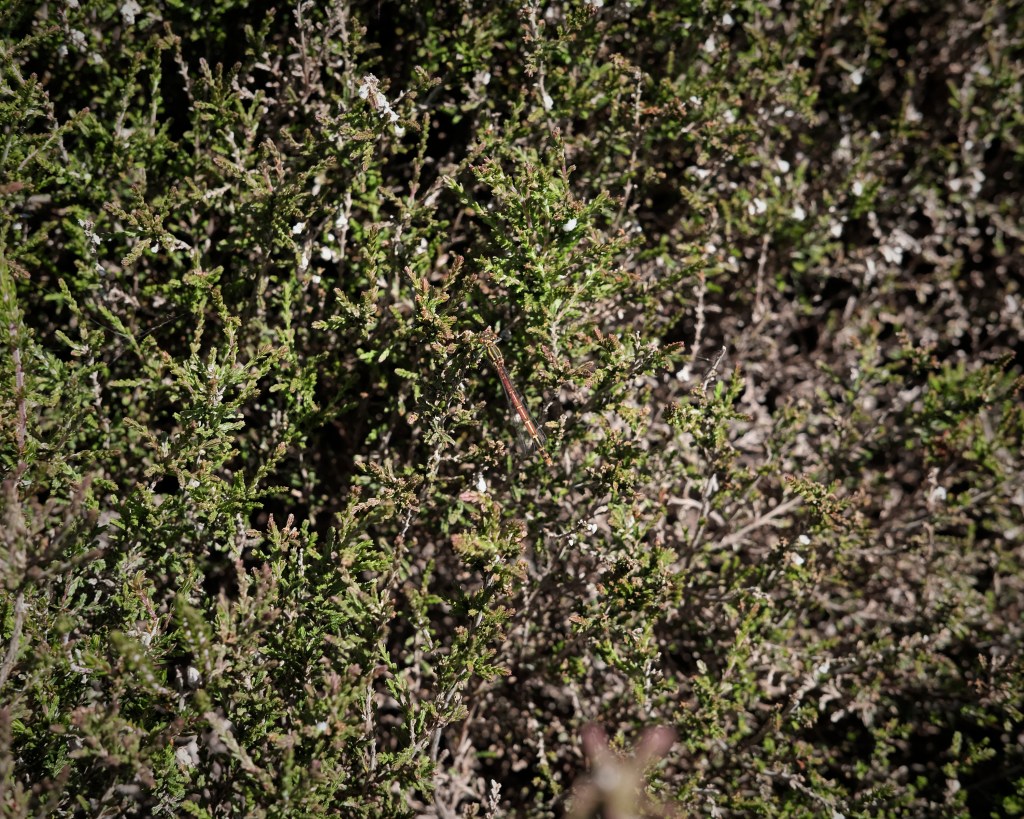
In today’s remarkable quiet, the sounds of insects became incredibly clear. The absence of wind enabled me to get a better look at the insects, I even took a photograph of a Southern Hawker (Aeshna cyanea) dragonfly (seen in photo above).
I also spotted
- A red admirable butterfly
- A bee
- and other insects and little beetles that I have yet to identify


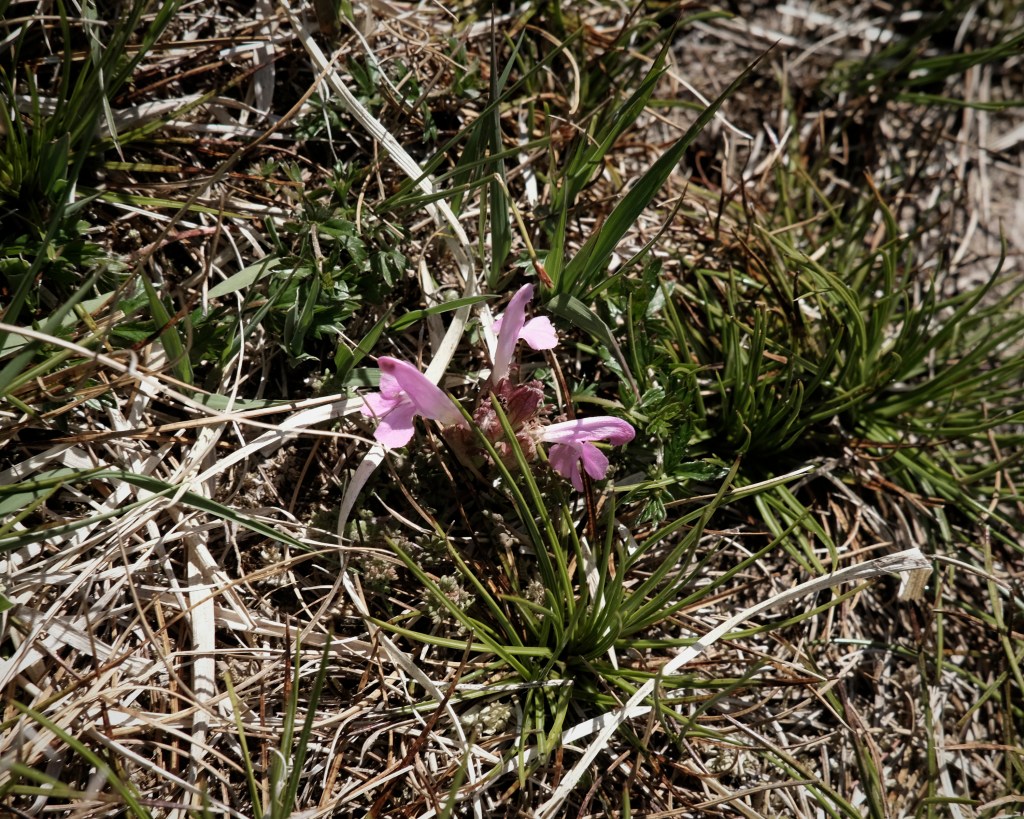


I came across a plant that is so small I almost overlooked it – the Drosera spatulata, commonly known as the Spoon-leaved Sundew. It’s a small, unassuming beauty, that I thought was a a moss flower. What truly makes it stand out are the numerous tiny, hair-like tentacles covering the surface of each leaf. These tentacles glisten with what looks like morning dew, but it’s actually a sticky, sugary mucilage that serves a crucial purpose in its survival.
This is a carnivorous plant that thrives in this habitat which is moist and boggy. The sticky mucilage on its tentacles act as a natural flypaper. When a small insect, lands on a leaf, it becomes immediately stuck. The plant then responds to the struggling prey. The tentacles surrounding the trapped insect slowly bend inwards, bringing more mucilage glands into contact with the victim.
Once the insect is immobilised, the glands on the tentacles release digestive enzymes. These enzymes break down the soft tissues of the insect, allowing the plant to absorb the vital nutrients that are scarce in its natural soil environment. The amazing life of plants!
references
- Royal Botanic Gardens, Kew. Drosera spatulata Labill – Plants of the World Online
- International Carnivorous Plant Society. About Carnivorous Plants – International Carnivorous Plant Society
- University of Wisconsin-Madison, Botany Department. Carnivorous Plants. -University of Wisconsin-Madison
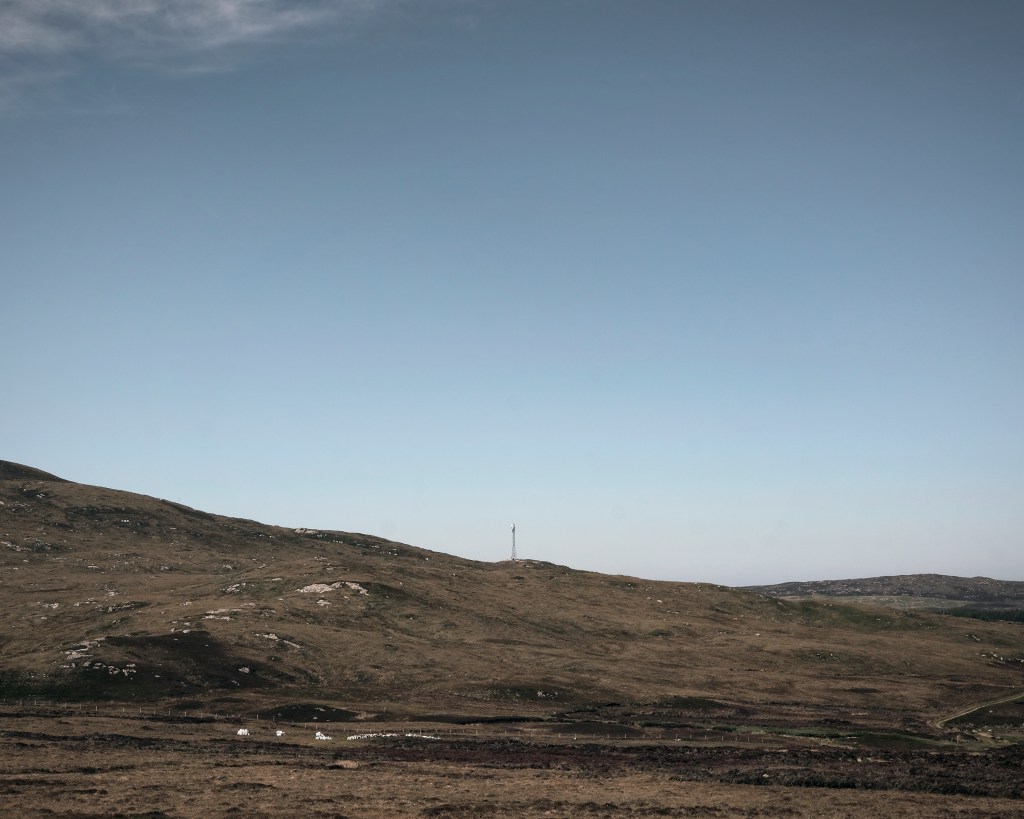
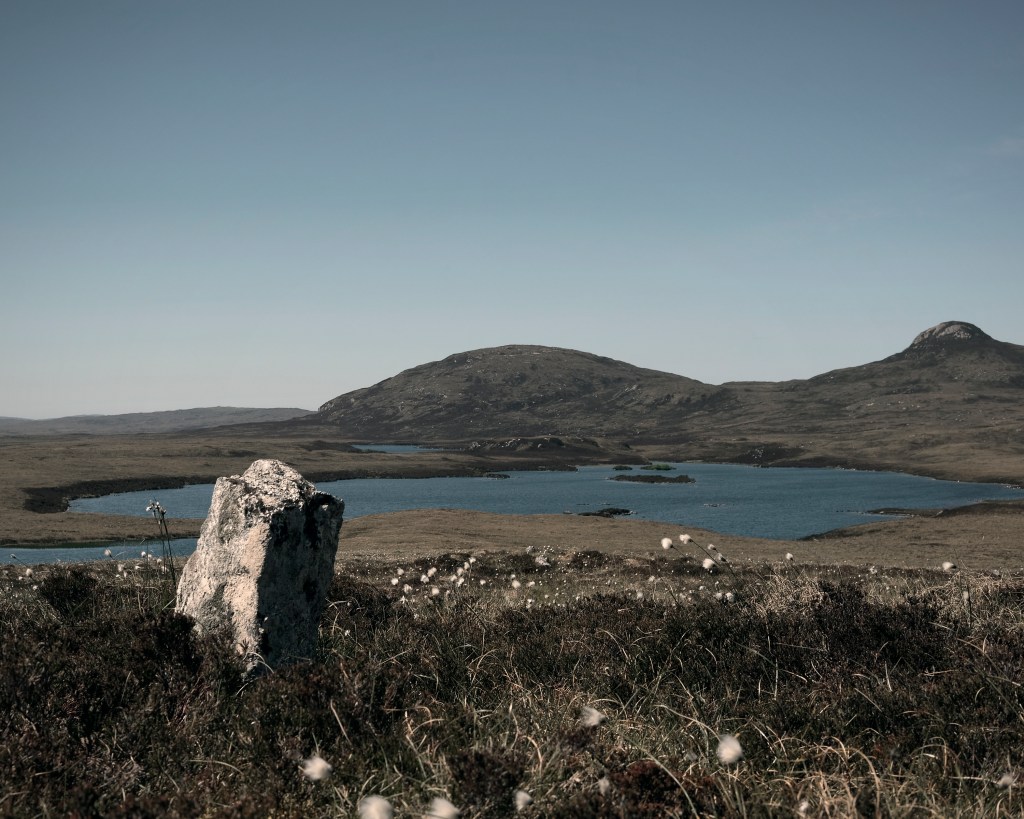
These stones are said to be the graves of spies who were buried alive, or possibly the result of a witch’s curse.
This was a gorgeous walk – High above, commanding the vast expanse of the sky, were two magnificent White-tailed Eagles, also known as Sea Eagles (Haliaeetus albicilla). Their immense size was immediately apparent; these are the largest eagles in the United Kingdom and Europe, with an impressive wingspan that can reach up to 2.5 meters (8 feet).
Watching them soar effortlessly, their broad, rectangular wings catching the light, was an exhilarating experience. They moved with such power and grace, truly owning their aerial domain as powerful hunters. As one banked, I caught a clear glimpse of its distinctive white, wedge-shaped tail – a hallmark feature of the adult White-tailed Eagle. It was just a flash, but enough to confirm their identity and leave me in awe.
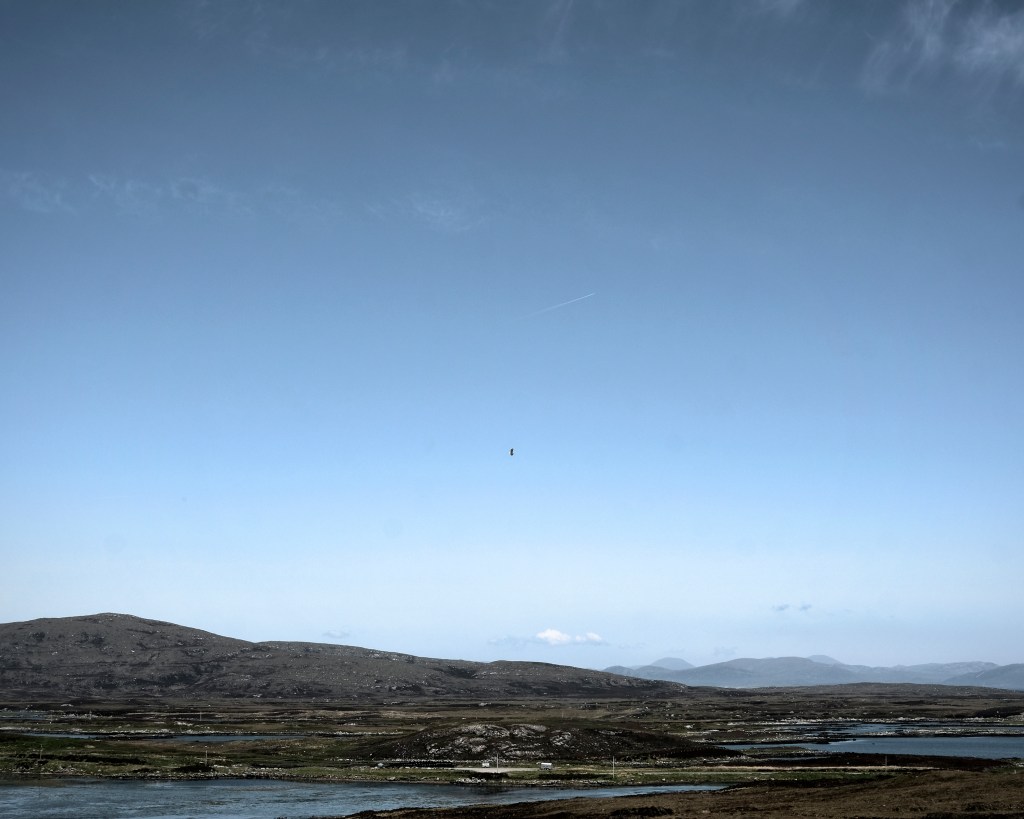
I managed to snap a photo, though it’s more of a ‘spot’ than a detailed shot. Clearly, it’s time for me to invest in a telephoto lens for my camera to truly capture the majesty of such encounters! The sheer thrill of seeing these powerful raptors in their natural element, demonstrating their majestic flight, is unforgettable.
Most instances where Sea Eagles are observed near lambs involve scavenging. Eagles are highly opportunistic and will readily feed on carrion. This means they may be seen feeding on lambs that have already died from other causes, such as exposure, disease, or complications during birth. They might also take very weak, stillborn, or dying lambs that are already compromised and unable to defend themselves or escape. Healthy, mobile lambs, especially those under the watchful eye of a ewe, are not typical prey for Sea Eagles due to the energy expenditure required for a successful hunt and the risk of injury.
references
- White-tailed Eagles and Livestock – Forestry and Land Scotland
- White-tailed Eagles and Livestock – RSPB Scotland
- White-tailed Eagles and Lambs – Isle of Mull Eagle Watch
- White-tailed Eagle – RSPB
A Tapestry of Connection
Day Sixteen 19 05 25

In my explorations of the moors, I’ve observed two distinct species of cotton grass flourishing in the landscape: Hare’s Tail Cottongrass (Eriophorum vaginatum) and Common Cottongrass (Eriophorum angustifolium). These species are notable for their unique characteristics and ecological significance. The Uist’s landscape is perfect for this plant with its extensive blanket bogs, heaths, and moorland, which provides suitable habitats for both cottongrass species.
Hare’s tail cottongrass (Eriophorum vaginatum): This species is known for its single, upright seed head, which resembles a hare’s tail. It is typically found in damp moorland and blanket bog habitats.
Common cottongrass (Eriophorum angustifolium):This species is distinguished by having multiple seed heads on each plant. It also prefers damp, acidic environments like bogs and heaths.
Both species are integral to maintaining the health of moor ecosystems, contributing not only to biodiversity but also to soil health and water regulation. Their presence indicates a well-functioning ecosystem that supports a variety of flora and fauna.
References
- “Eriophorum vaginatum – Hare’s-tail Cotton-grass.” Wildlife Trusts
- “Eriophorum angustifolium – Common Cotton-grass.” Plantlife

I was just thinking that I wouldn’t meet anyone today and then on my way back I came across Frances, who graciously allowed me to take her photograph. She is the first woman I have met on this journey so far.
Frances shared her passion for walking and mentioned that she has enjoyed various walks in New Zealand. Now that her children are grown, she is looking forward to exploring more walking trails in the UK. This newfound freedom allows her to embrace her love for nature and adventure without the responsibilities that once held her back.
Frances also also mentioned her friend who isn’t as enthusiastic about walking. This friend meets up with Frances after she completes her day’s walk, this allows Frances to enjoy her time outdoors without feeling burdened by too much baggage.


These stones are said to be the graves of spies who were buried alive, or possibly the result of a witch’s curse.
 Nicola Neate