Day fifteen 16 05 25
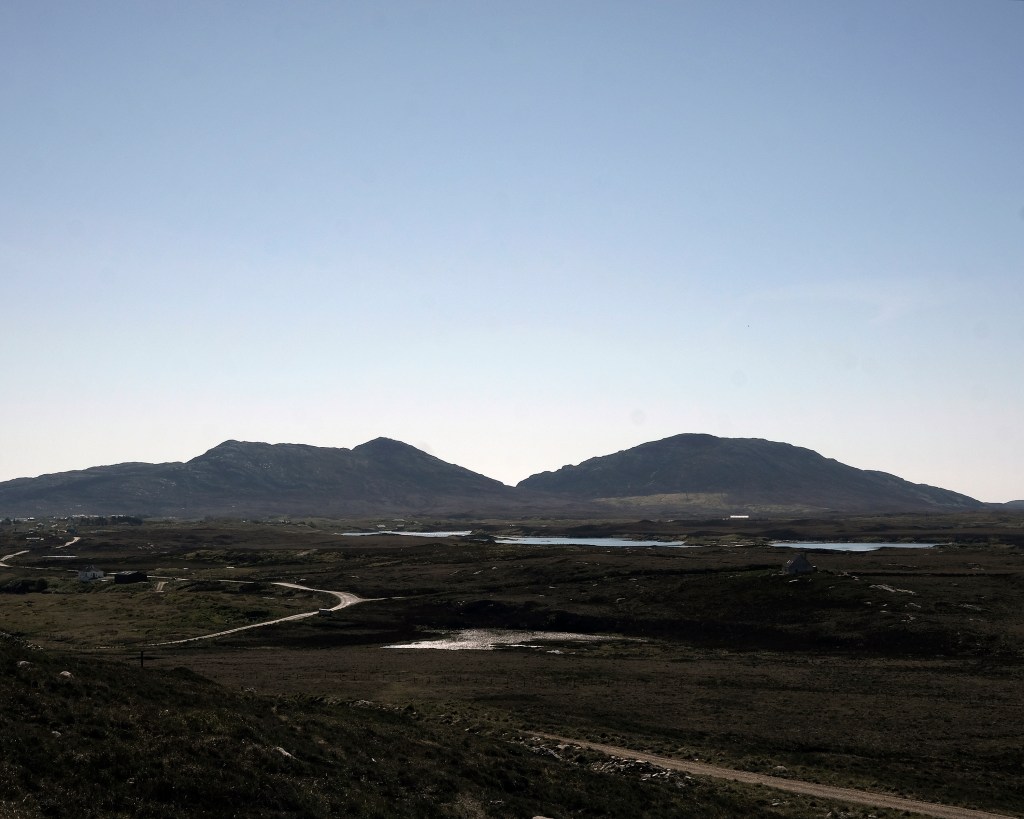
11:00 AM, Friday.
The morning began with an intensity of warmth and sunlight that felt more akin to a Mediterranean climate than typical Uist conditions. The air was still, on my personal monitor it felt like 0.1 out of 10 – almost no breeze whatsoever. Returning to my chosen sitting spot, I noticed the ground was already showing signs of the persistent heat – parched and developing a crispy texture underfoot. The sounds of the landscape were muted; the cheerful song of skylarks was absent, and traffic noise was minimal.
In the distance I watched an eagle being actively pursued and harassed by a smaller raven. This behaviour, is known as mobbing – smaller birds aggressively chase larger predators to drive them away from their territory or nests.
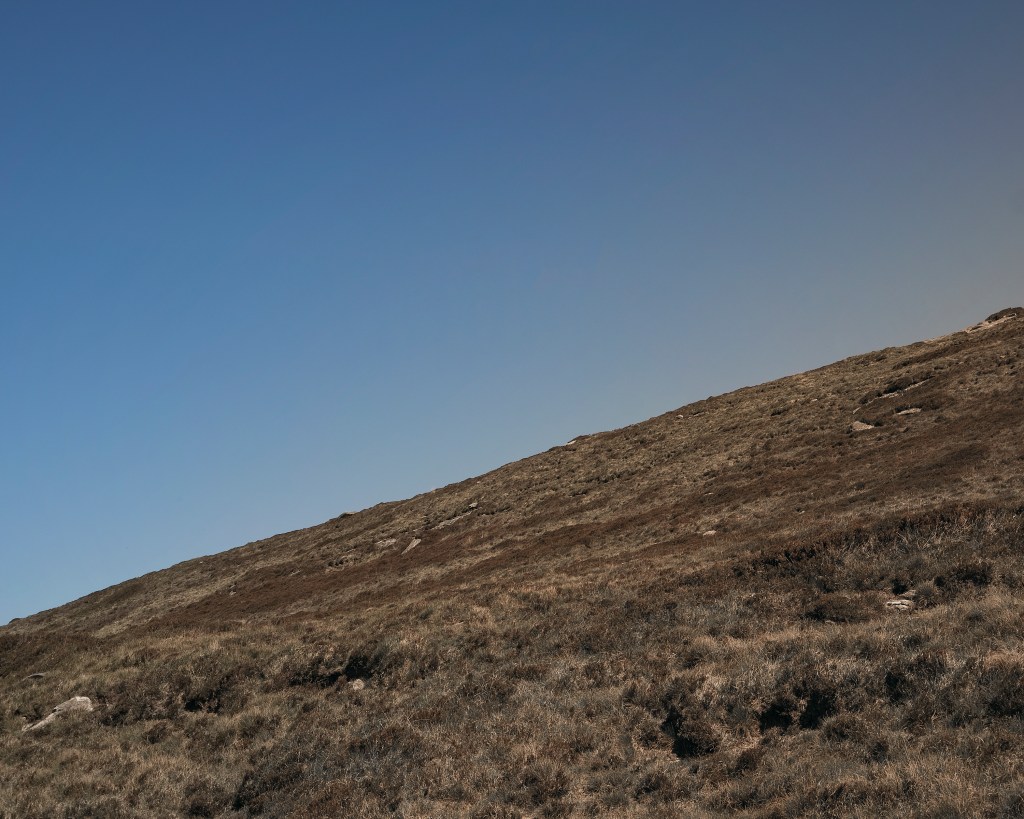
My plan for the day was to immerse myself in the landscape through sketching. As the hours passed, the temperature continued its relentless climb. I met no walkers today and wondered if they had taken a day of rest – finding the conditions too extreme for heavy rucksacks and exertion.
I have observed on my walks the numerous small moths flitting about. These appear to be gelechiid moths. The Gelechiidae family is a large and diverse group of moths, they are typically small and can be found in a wide variety of habitats globally, with many species having larvae that feed on plants.
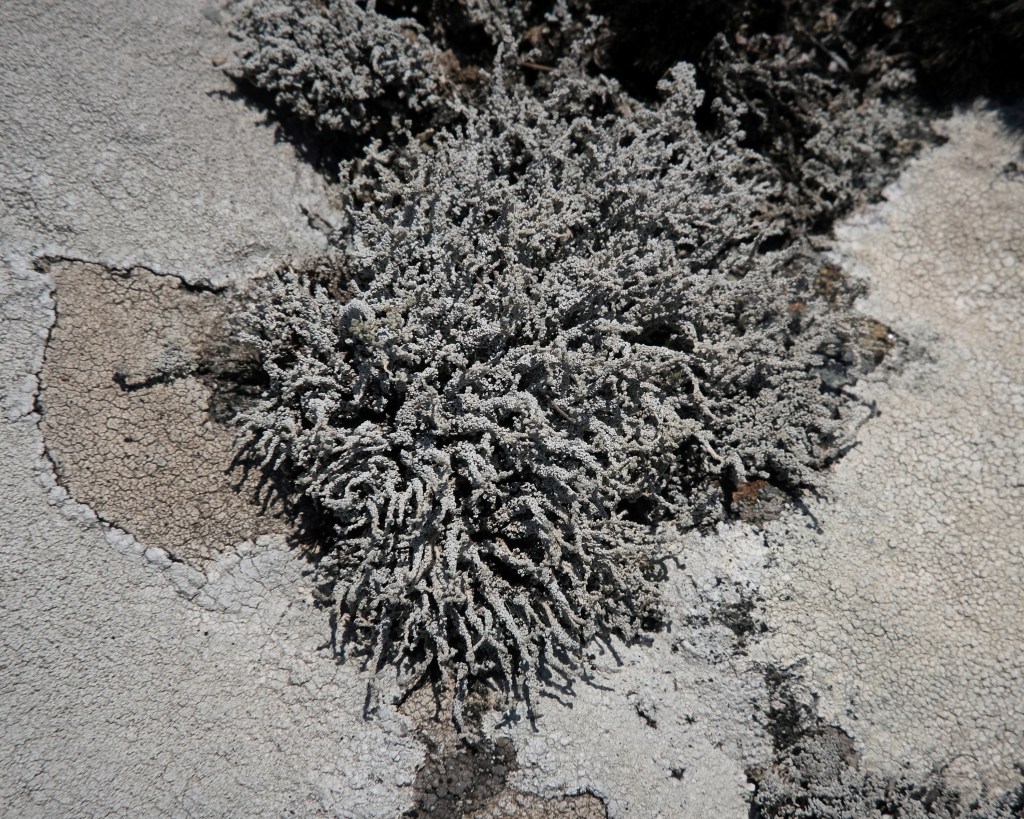

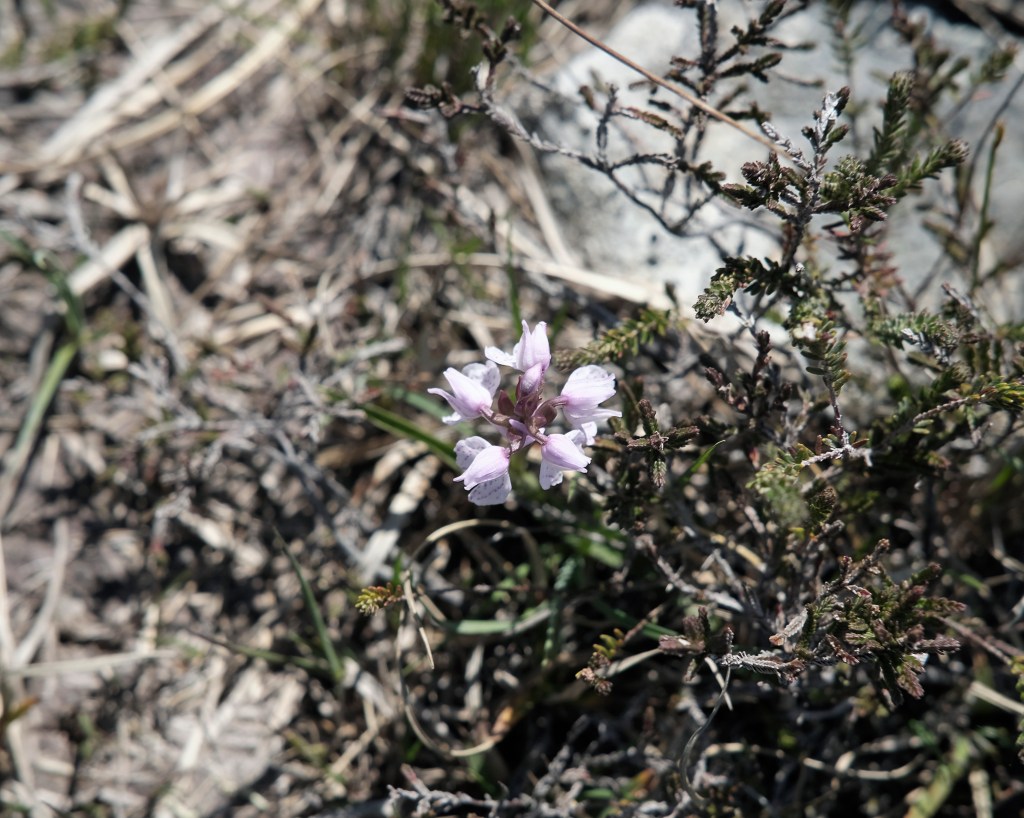
Around 2:00 PM, the quiet was briefly interrupted by the sound of a low-flying aircraft. It was a small plane, possibly engaged in a local flight.
As I was packing up to go I saw a group of five herons flying together. While herons, such as the Grey Heron (Ardea cinerea), are often seen individually or in pairs, they can congregate and fly in groups for several reasons. I think these were moving between communal roosting sites and feeding areas. Flying together like this can offer them assistance in locating resources.
references
- Gelechiidae – Wikipedia
- Heron – Behaviour – The Royal Society for the Protection of Birds (RSPB)
A Tapestry of Connection
Day Fourteen 15 05 25

I set out on an evening walk at 7 PM.
The air is filled with the cacophony of geese squabbling in the distance, signaling their arrival for the summer season. Despite the often-maligned reputation of these birds among crofters, I find their presence to be a welcome and endearing aspect of the landscape.
The geese are most likely to be Barnacle Geese (Branta leucopsis) or possibly Greylag Geese (Anser anser), both of which are common in Scotland. Historically, geese have been viewed with a mix of admiration and disdain by farmers and crofters. The reasons for this ambivalence are rooted in the birds’ behavior and their impact on the landscape.
In the past, geese were considered pests by farmers because they would often feed on crops, particularly oats, barley, and potatoes. This led to conflicts between goose populations and agricultural interests. The birds’ feeding habits, which involve grazing on grasses, leaves, and other vegetation, can also cause damage to pastures and crops. As a result, geese have been subject to population control measures, including culling and egg destruction. However, it’s also important to acknowledge the ecological significance of geese in the landscape. As herbivores, they play a crucial role in shaping the vegetation structure and composition of their habitats. Their droppings also act as a fertiliser, enriching the soil and promoting plant growth.

As I continue my walk, the sounds of sheep and lamb feeding time provide a ‘baa baa baa’ background melody. The atmosphere is peaceful, with only a very slight breeze rustling the air – I estimate it to be about 0.8 out of 10 on my personal wind monitor. There is an absence of traffic noise. The sky above is a brilliant blue, dotted with wispy mare’s tail clouds that add a touch of drama to the scene. The skylarks are quiet, and the air is teeming with insects that resemble midges.
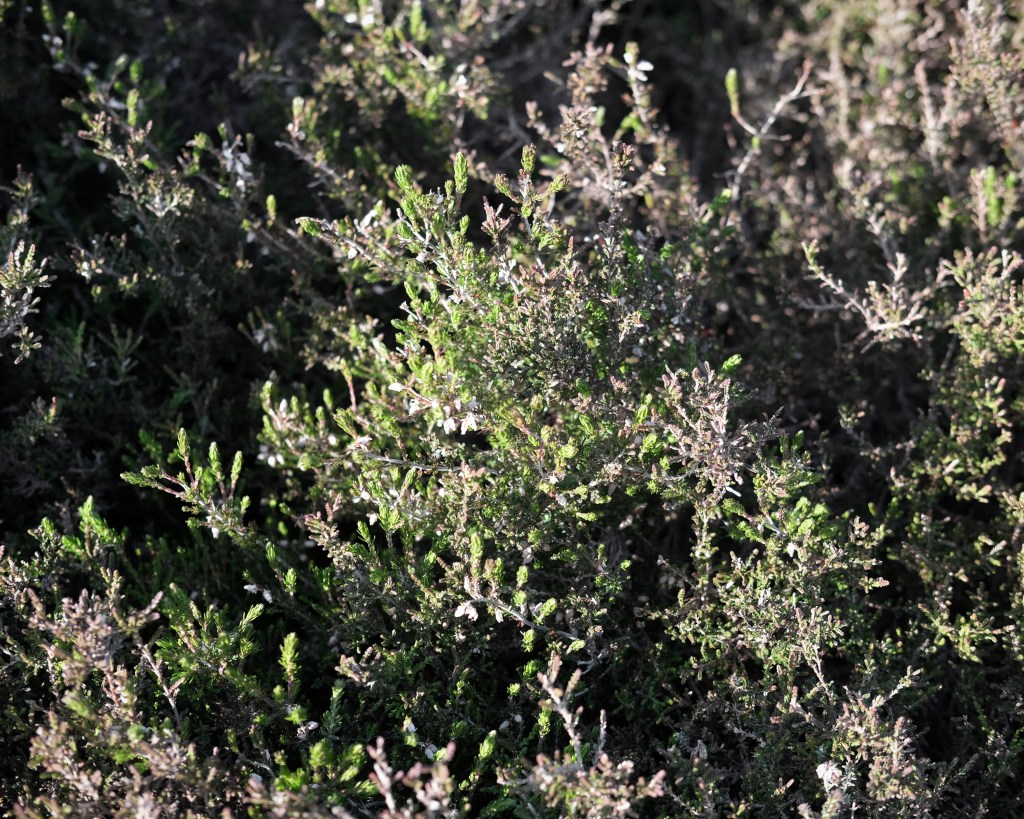
At 7:25 PM, I was startled by a deep, resonant rumble emanating from the ground. It was not the familiar sound of thunder; rather, it felt like a single, prolonged vibration that echoed through the air. Given the nature of the noise, I suspect it may have originated from the military activity that is happening in South Uist. The isolation of Uist and the absence of dense trees and tall buildings means that even distant activities can resonate powerfully here, creating an almost surreal auditory experience.
As I stood there, listening intently to the fading echoes, I couldn’t help but feel a mix of curiosity and intrigue about what might have caused this mysterious rumble. Was it indeed a military exercise? Or perhaps something else entirely?

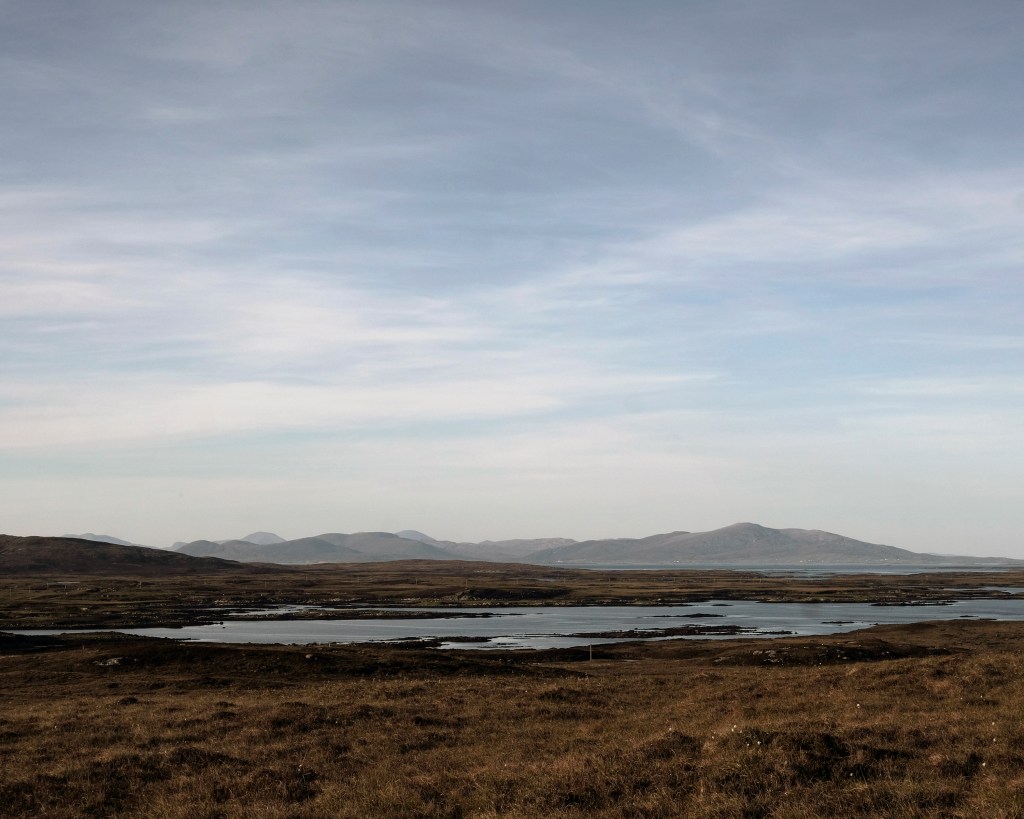
Yesterday, I had the distinct pleasure of spotting a Short-eared Owl . Today, the experience was even more rewarding as I observed what was very likely the same owl through my binoculars, noting its characteristic flight pattern low over the ground. Short-eared Owls (Asio flammeus) are birds of prey known for their crepuscular activity, they are often seen at this time of day flying and scanning low over fields, grasslands, marshes, and other open areas. This low-level flight allows them to effectively scan the ground vegetation where their prey resides which primarily consists of small mammals like voles and mice.
They are medium-sized owls, with a mottled brown colour which provides them with excellent camouflage in this habitat. They have striking yellow eyes, encircled by dark feathers.
Animals, including owls, often develop routines and become habituated to specific territories or hunting grounds, especially if the areas consistently provide necessary resources like food and shelter. They learn the landscape, the best hunting spots, and safe roosting areas.
Given that animals often rely on specific, familiar environments for survival due to these established habits and knowledge of the area, disturbing their habitat can be detrimental. Habitat destruction, fragmentation, or significant alteration can remove essential resources, disrupt hunting patterns, expose them to increased predation, or force them to expend valuable energy searching for new, less familiar areas. For a species like the Short-eared Owl that depends on specific open habitats for hunting and nesting, changes to these environments can directly impact their ability to find food and successfully reproduce, potentially leading to population declines in affected areas.
references
- Short-eared Owl | Audubon Field Guide
- Short-eared Owl – All About Birds
- Animal Behaviour | National Geographic Society
- Habitat Loss | National Wildlife Federation
 Nicola Neate