Day Eleven 12 05 25
Today marks the eleventh day of the on-site research part of this project – here on the Hebridean Way. My focus is on a specific mile-long stretch of this renowned walking route. This month long research involves immersing myself directly in the landscape, walking the path, and simply being present in this environment. Through this direct engagement, I am able reflect on and observe the intricate and often complex relationships between human activities and the ecological sustainability of places like this.
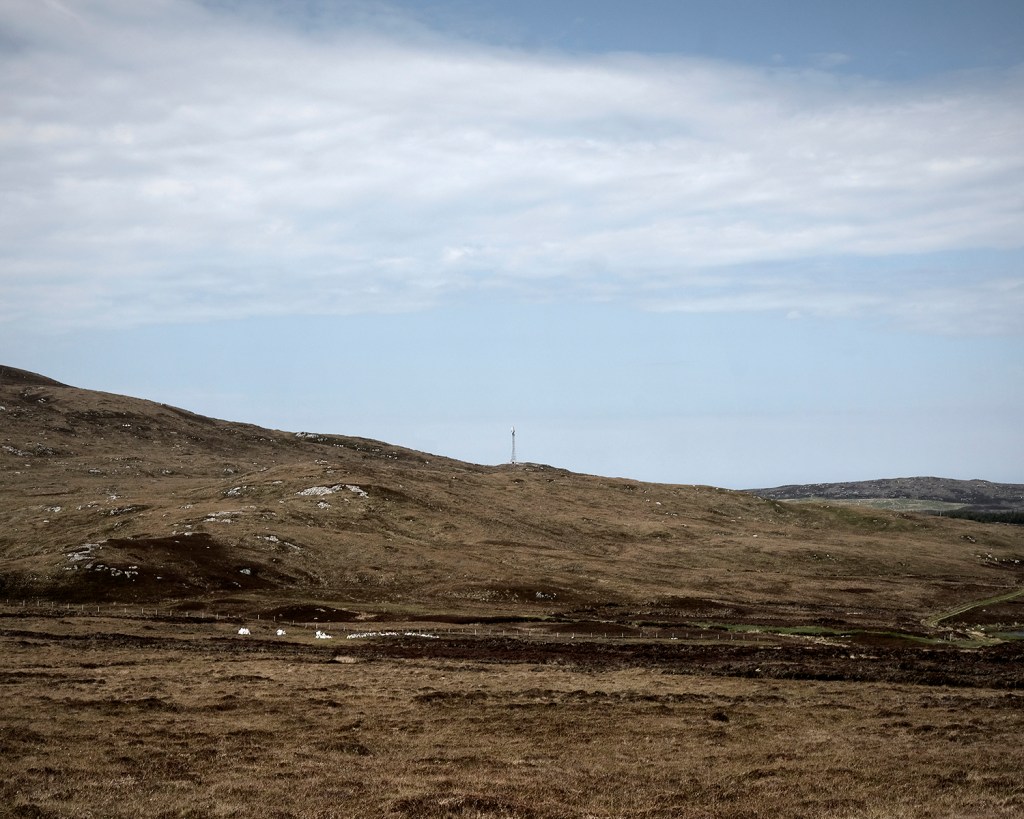
This particular Monday started with a cool crispness in the air, but as the hours passed, the sun grew stronger, and the day became progressively hotter. The weather throughout this project (so far)has been remarkably warm, a striking difference compared to this time last year. While the weather in the Hebrides is famously unpredictable, it always feels significant, or as I like to think of it BIG!
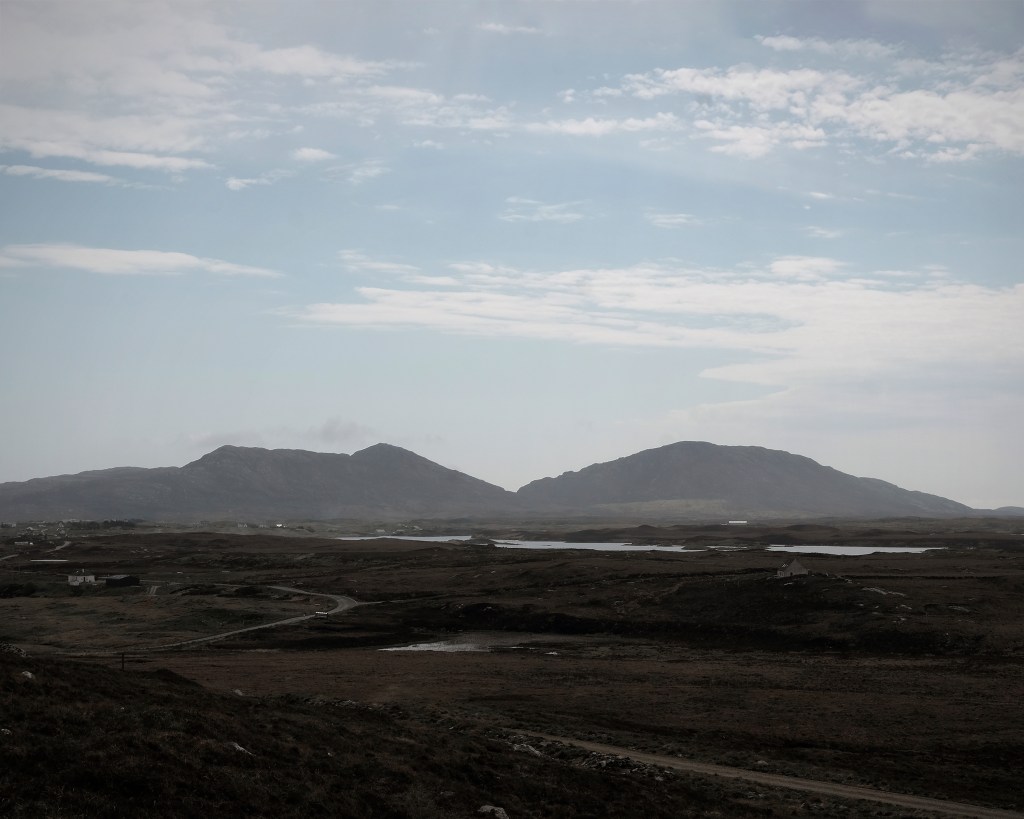
Cloud Pondering
Clouds often gather around the tops of hills and mountains because the rising air over the terrain triggers a process called “orographic lift,” where air is forced to ascend and cool, leading to condensation and cloud formation. This process, particularly when combined with sufficient moisture, can create various types of mountain clouds, including lenticular clouds according to the Met Office and orographic clouds says the International Cloud Atlas.
Butterwort – lus an ime (Gaelic)
“Common butterwort (pinguicula vulgaris) is an insectivorous plant (a carnivorous plant). Its bright yellow-green leaves excrete a sticky fluid that attracts unsuspecting insects; once trapped, the leaves slowly curl around their prey and digest it. The acidic bogs, fens and damp heaths that common butterwort lives in do not provide it with enough nutrients, so it has evolved this carnivorous way of life to supplement its diet. It has purple flowers that appear from May to July.
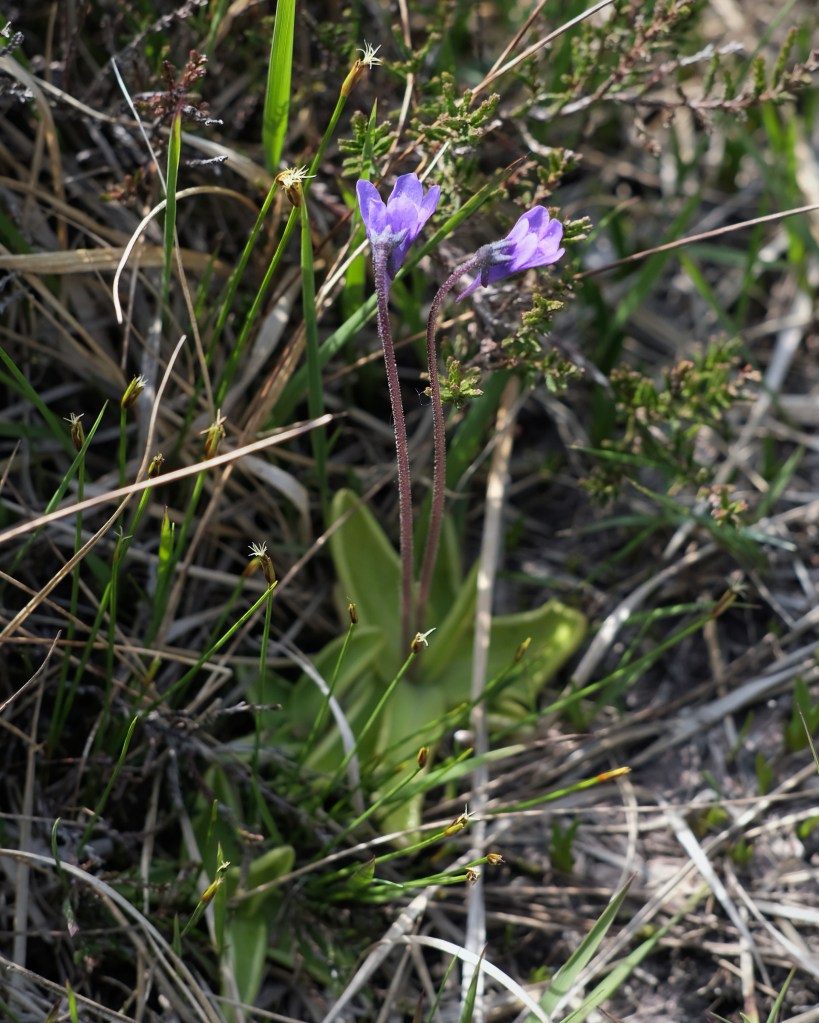
Common butterwort has a rosette of yellow-green and sticky leaves that appear flat to the ground and are shaped like a star. It produces around two or three upright flower stalks which bear small, deep purple flowers.
Most common in Scotland, Wales and Northern Ireland; scattered populations in North West England.
“Many years ago, people believed that rubbing the juices of the leaves of common butterwort into the udders of cows would protect against evil and bad butter; hence the common name.“ – The Wildlife Trusts
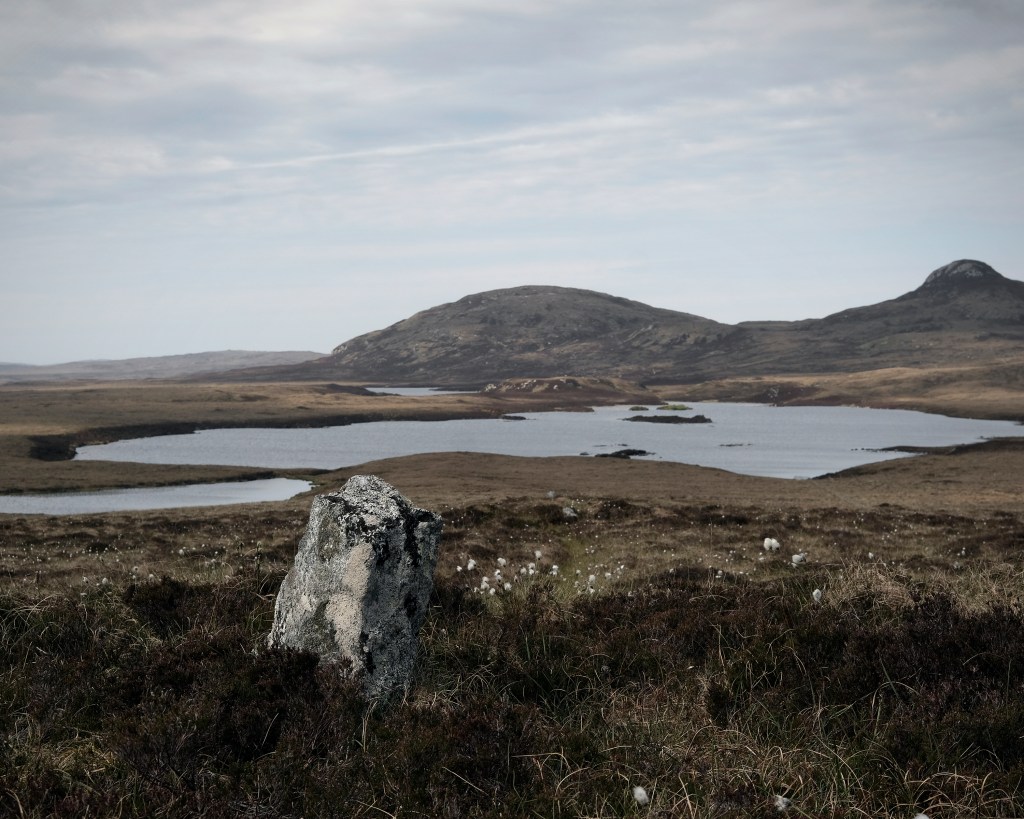
These stones are said to be the graves of spies who were buried alive, or possibly the result of a witch’s curse.
No Walkers
 Nicola Neate